 Looking for ways for your homeschoolers to spread the Gospel? Here’s a blog by an SDA homeschooling mom that shares creative ideas for Bible Lab. Click HERE to visit the Bible Labs Projects blog.
Looking for ways for your homeschoolers to spread the Gospel? Here’s a blog by an SDA homeschooling mom that shares creative ideas for Bible Lab. Click HERE to visit the Bible Labs Projects blog.

An article from the Institute of Marriage and Family Canada is making the rounds through several homeschool sites I visit. It discusses the socialization myth and why early learning programs are not necessarily beneficial to young children. It is definitely food for thought – Nurturing children: Why “early learning” doesn’t help
 “True love is a high and holy principle, altogether different in character from that love which is awakened by impulse, and which suddenly dies when severely tested. It is by faithfulness to duty in the parental home that the youth are to prepare themselves for homes of their own. Let them here practice self-denial, and manifest kindness, courtesy, and Christian sympathy. Thus love will be kept warm in the heart, and he who goes out from such a household to stand at the head of a family of his own, will know how to promote the happiness of her whom he has chosen as a companion for life.”
The Faith I Live By, Page 277
Welcome to the February 12th Edition of Show & Share. We look forward to enjoying what you have to share today. For Show & Share ideas and guidelines, read this post.
Curriculum Review: Rod and Staff Reading Program, Grades 1 – 4
Review by Dawnita F.

We have used Rod & Staff Reading since the beginning of our homeschooling journey. At first, it was simply the easiest choice. There was little available in the mid 1990’s and we borrowed from another homeschooling family. We have always loved the fact they teach Bible through fourth grade. The stories are simple and Biblicaly correct. The curriculum is Mennonite, so the pictures are sweet black and white drawings. We giggle at the concept of Adam and Eve in little Amish looking outfits, but it is modest and sweet. There are a few brief mentions of Sunday as the Sabbath and day of rest. These are easily edited and give great opportunities to discuss the differences in churches and the origin of Sunday worship.
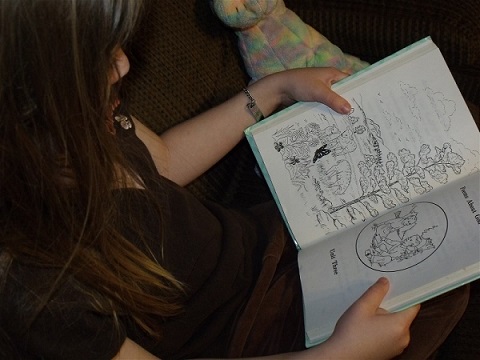
The first year workbooks are a lot of fun. There are three workbooks; phonics, reading workbook, and worksheets with fun cut and paste projects. The phonics lessons are sound, simple, and easy to understand. They begin going through the alphabet, sound by sound, beginning with vowels then work through blends and beyond. The reading workbooks implement vocabulary, spelling, and reading comprehension. The children also learn their colors and begin learning to recognize similarities, differences, and sorting. The worksheets provide activities that can be displayed or shared with grandparents that help reinforce the Bible stories they are learning.
The second year workbooks make a big jump in demand in time, work, and attention. We’ve only had two of our six children that did well with them. Even then, we did a lot of it orally so as not to be spending too much time in seat-work. Since I do have the teacher’s books, I sometimes will go through and look at what they would be doing if we had the workbooks and implement some of the questions in our discussion or ideas into our notebook time. By the third year, we would rather our children be copying straight out of the Bible and looking up words directly from the dictionary.
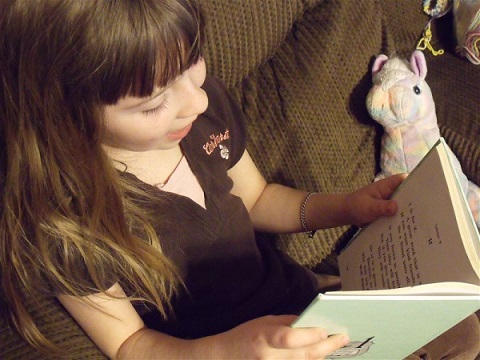
All in all, we have used Rod & Staff reading books 1st through 4th grade with all six of our children. We do take breaks between books for Frog & Toad or little nature readers. It’s a nice feeling to know our children are “reading through the Bible” each year as they are learning to read and becoming more literate. By the time they finish the fourth grade book, they are prepared to read directly from the Bible with good comprehension and to read library books.
Thanks, Dawnita, for your review! If you have used something in your homeschool and would like to review it here, please contact us at adventisthomeducator@gmail.com
Your turn! Please rate this curriculum if you have used it in your homeschool and feel free to leave a comment so others can learn more about this product.
Our family recently drove from Texas to Florida to help Grandma celebrate her 80th birthday. As we crossed into each new state, we stopped at the state welcome center. Welcome centers are always fun for us, we like inspect the displays of state attractions and colorful brochures and flyers. Since I am helping my 2nd grader to understand the concepts of state vs. country vs. continent this school year, I wanted to collect something to show that each state is unique and different from his home state of Texas. I mentioned this fact to the hostess at one Louisiana Welcome Center and she was enthusiastically supportive! She showered us with lots of lovely Louisiana specific items: beautiful calendars, interesting postcards, neon-colored pencils and more. She was even kind enough to go to the “back room” to search out the best brochures listing the important facts of Louisiana. It was her idea to give us two copies of several items- one to save whole and one to cut up for scrapbooks. My 2nd grader was thrilled to have bag full of treasures. As a home educator, I was thrilled that my son was learning about social studies without even knowing it. Our scrapbook will have many lovely pages featuring Louisiana!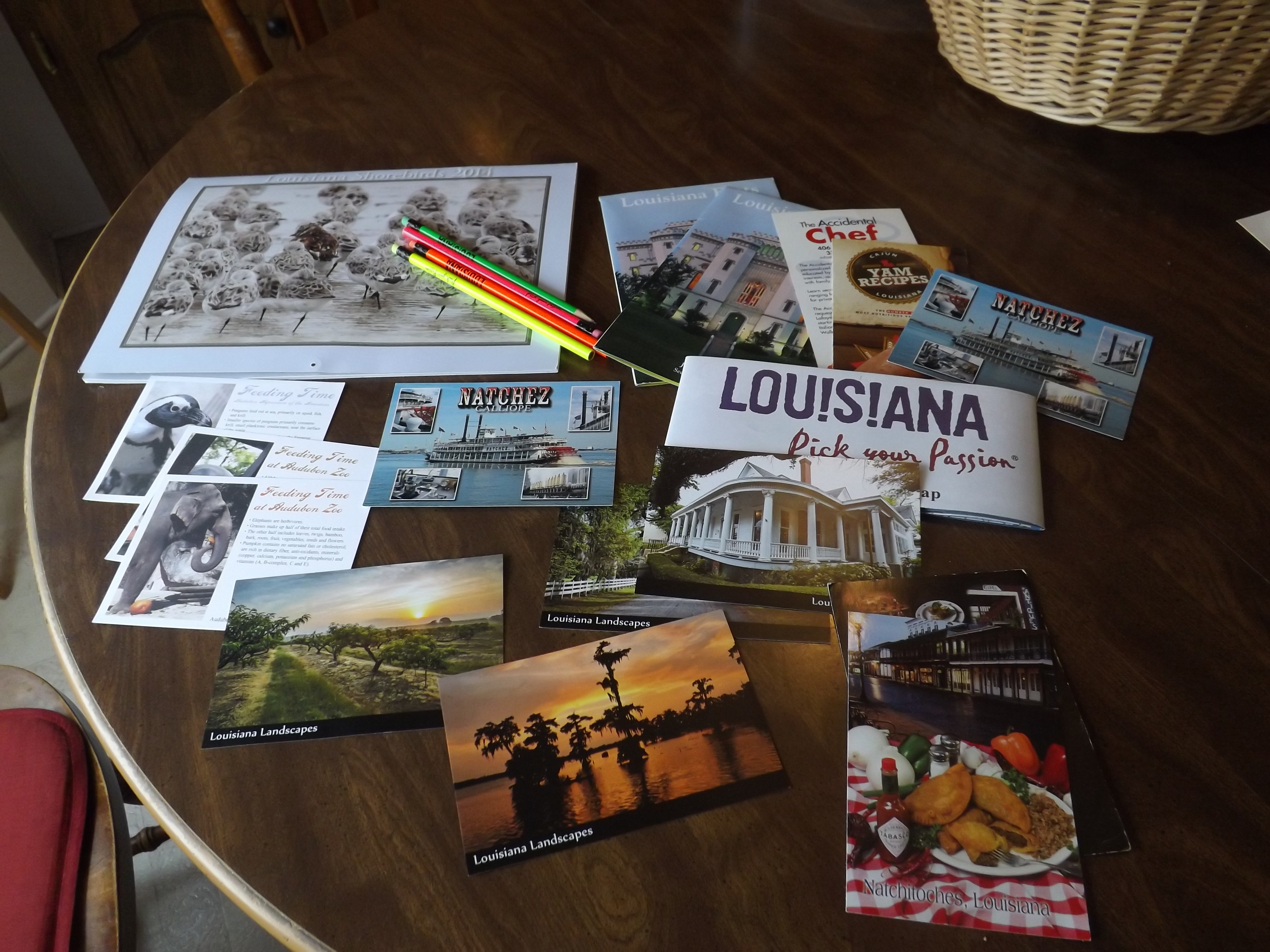 Not only did I leave that particular welcome center with a new appreciation of Louisiana hospitality, I realized anew that state welcome centers are a treasure trove of information for learning about US history and geography. Next time you take a road trip, don’t look at the welcome center as just a spot to stop stretch your legs. Take time to let the hosts/hostesses know that you are ready to learn about their state. Ask what interesting materials are available. Be sure to look for historical markers that might be near or around the welcome center. Remember to snap a few photos! All of these things will combine to become a living textbook for your children.
Mark your calendars – The Great Backyard Bird Count takes place on February 14-17, 2014.
This is a wonderful opportunity for homeschool families around the WORLD to spend time in God’s great outdoors learning more about birds. Anyone in the world can submit a bird count report!
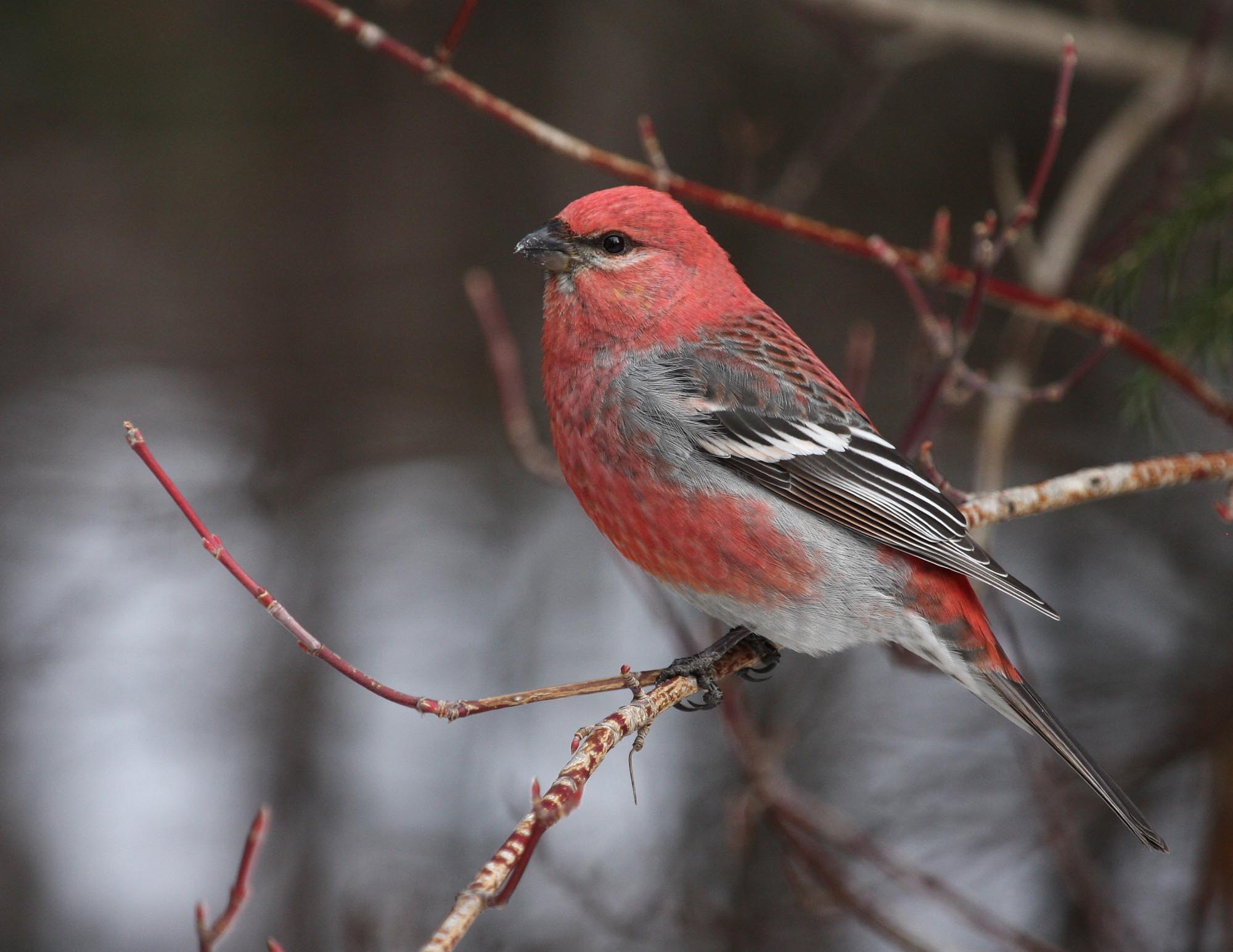
Don’t forget to visit the AHE Nature Study Pinterest Board to find more resources to make your bird study complete.

 The Adventist Home Educator