Partial Solar Eclipse on October 23rd

A partial solar eclipse viewable in most of North America will occur on Thursday, October 23rd.  How much of the eclipse that you will be able to see will depend on whether you are on the western or eastern side of North America.   This ScienceAtNasa video explains:

Those of you outside of North America- don’t feel left out- a total solar eclipse visible from Greenland, Iceland, Europe, North Africa, and northwestern Asia will occur on March 20, 2015.


Reformation Day Resources

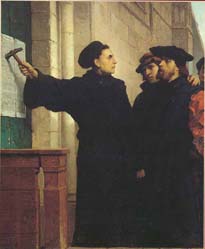
Luther95thesesOctober 31st is a great day for a one-day unit study.   Why?  That is the day that Martin Luther nailed his 95 Theses to the door of the Castle Church of Wittenburg in 1517.  Many Christian homeschoolers take this day (or longer!) to consider the Protestant Reformation.   There are lots of excellent resources available – we are sharing these ideas with you now to help you plan ahead for a study of church history.

SDA Resources

The Great Controversy- free audio

Love Under Fire – scroll down for free book download

Michael Asks Why

Adventist church pioneers coloring pages


Notebooking/Lapbook/Unit Study Resources

Reformation Unit Lap-n-Note from HomeschoolShare

Reformation Day Ideas and Activities from Beyond A Doubt

Protestant Reformers Notebooking pages from Notebooking Fairy


Five Fun Apple Unit Study Resources

apples on a burlap bag


A unit study featuring apples as the subject can be both fun and tasty!   Resources for apple-themed unit studies abound- check out these five links to get you started.


Short a apple craft & activity – easily to adapt to an alphabet theme for younger children.

Apple-themed book list– for read aloud fun.

Apple Life Cycle worksheets – free printables for personal use.

Math games using apples  – 10 free pages.

Apple Pack – this resource contains more than 60 pages of math, phonics, reading, and writing fun.


Inexpensive Phonics Manipulatives

Alphabet/phonics/word work manipulatives add enjoyment to the process of learning to read and spell.  These hands-on materials can be found very inexpensively if you know where to look.
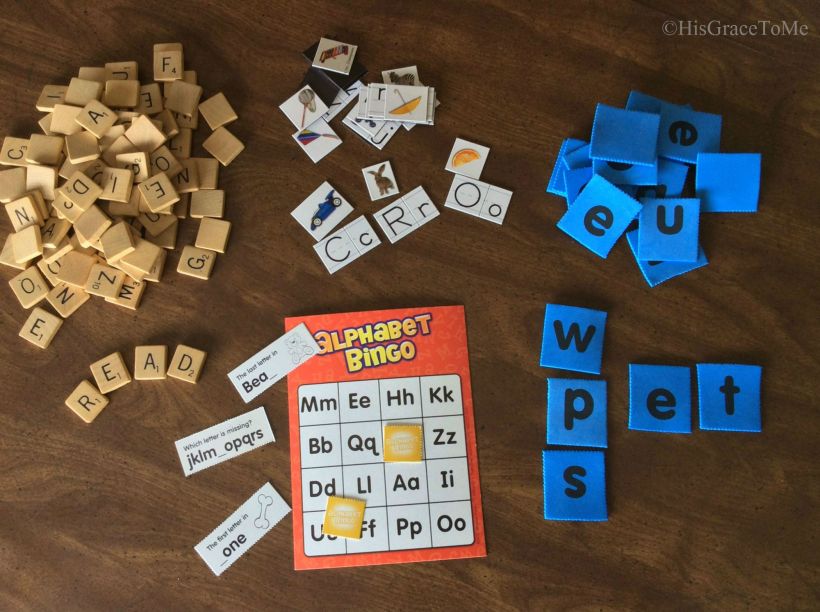
Phonics manipulatives

Next time you are in a dollar or discount store, be sure to check for potential manipulatives.  Don’t limit your search to just the educational supply section, also take a look in the office supply aisle, and  the dollar bin area.   The toy aisle might reveal manipulatives as well – think wooden alphabet blocks!

The blue foam letter squares, the letter magnets and the alphabet bingo game shown above were each found for only a dollar.  I’ve also found simple file folder games and sight word strips, and even the pocket chart for one dollar.  Don’t forget to look for blank sentence strips!
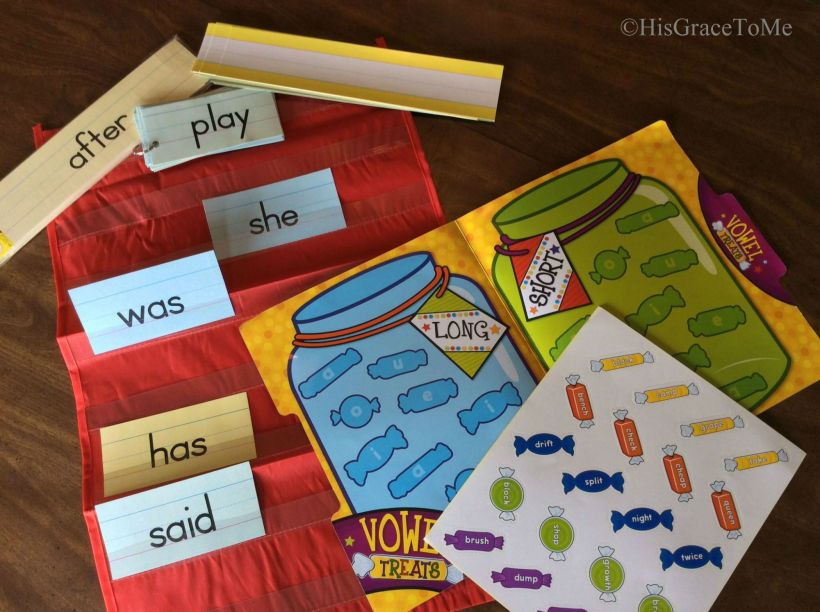
phonics manipulatives 2Next time you are at a yard or jumble sale,  look for old Scrabble or other word games.  Doesn’t matter if all of the pieces are there, you just need the letter tiles or word pieces.  Many times these games can be had for free.  That was the case with the wooden Scrabble tiles shown above.  I love those Scrabble tiles because they are very sturdy and will hold up to lots of word play.

Keep your eyes peeled for cheap letter & word study manipulatives – they’re out there!


Working With Math Cubes


Math cubes are such fun to play with, but how can you integrate learning with the play?  Here are a few ideas:

Simply Kinder https://i0.wp.com/upload.wikimedia.org/wikipedia/commons/1/1c/Multilink_cubes.JPGhas a nice printable to help your child practice forming numbers with the cubes. There’s a cute number poem to go along with the activity as well!

The Univ. of Cambridge has a page with 40 ideas for using math cubes that fit a variety of levels.

T. G. I. F. offers a free printable that practices addition with math cubes.

Frugal Fun for Boys has a great math cube game idea – Race to fill the cup!

Image source

The REAL Reason Why Children Fidget

Saw this blog post (linked below) and couldn’t help but think of this quote:

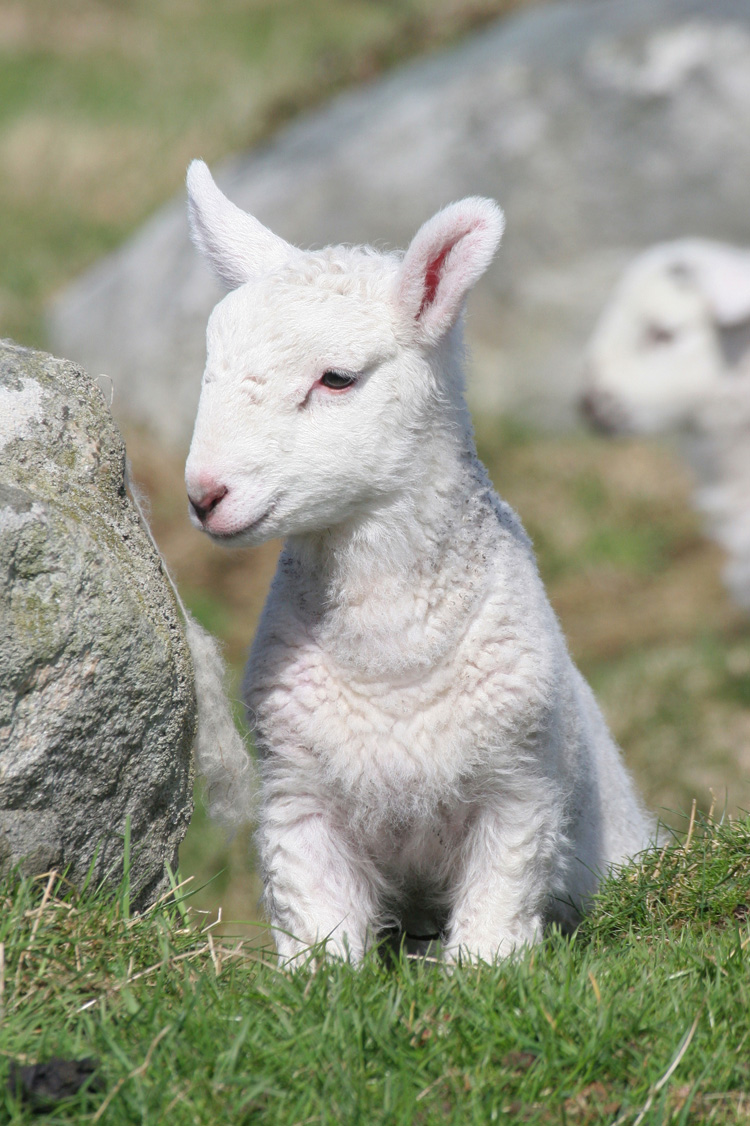
New Born Lamb“During the first six or seven years of a child’s life, special attention should be given to its physical training, rather than the intellect. After this period, if the physical constitution is good, the education of both should receive attention. Infancy extends to the age of six or seven years. Up to this period children should be left, like little lambs, to roam around the house and in the yards, in the buoyancy of their spirits, skipping and jumping, free from care and trouble” – Ellen White

WHY CHILDREN FIDGET: And what we can do about it

Elementary Math Helps

Elementary Math Helps on Pinterest – Come see what AHE parents have been pinning!