Motivation Monday

pick up toys

“The early training of children is a subject that all should carefully study. We need to make the education of our children a business; for their salvation depends largely upon the education given them in childhood. Parents and guardians must themselves maintain purity of heart and life, if they desire their children to be pure. As fathers and mothers, we should train and discipline ourselves. Then as teachers in the home, we can train our children, preparing them for the immortal inheritance.”

The Review and Herald – Sept. 8, 1904

Math Journal Fun

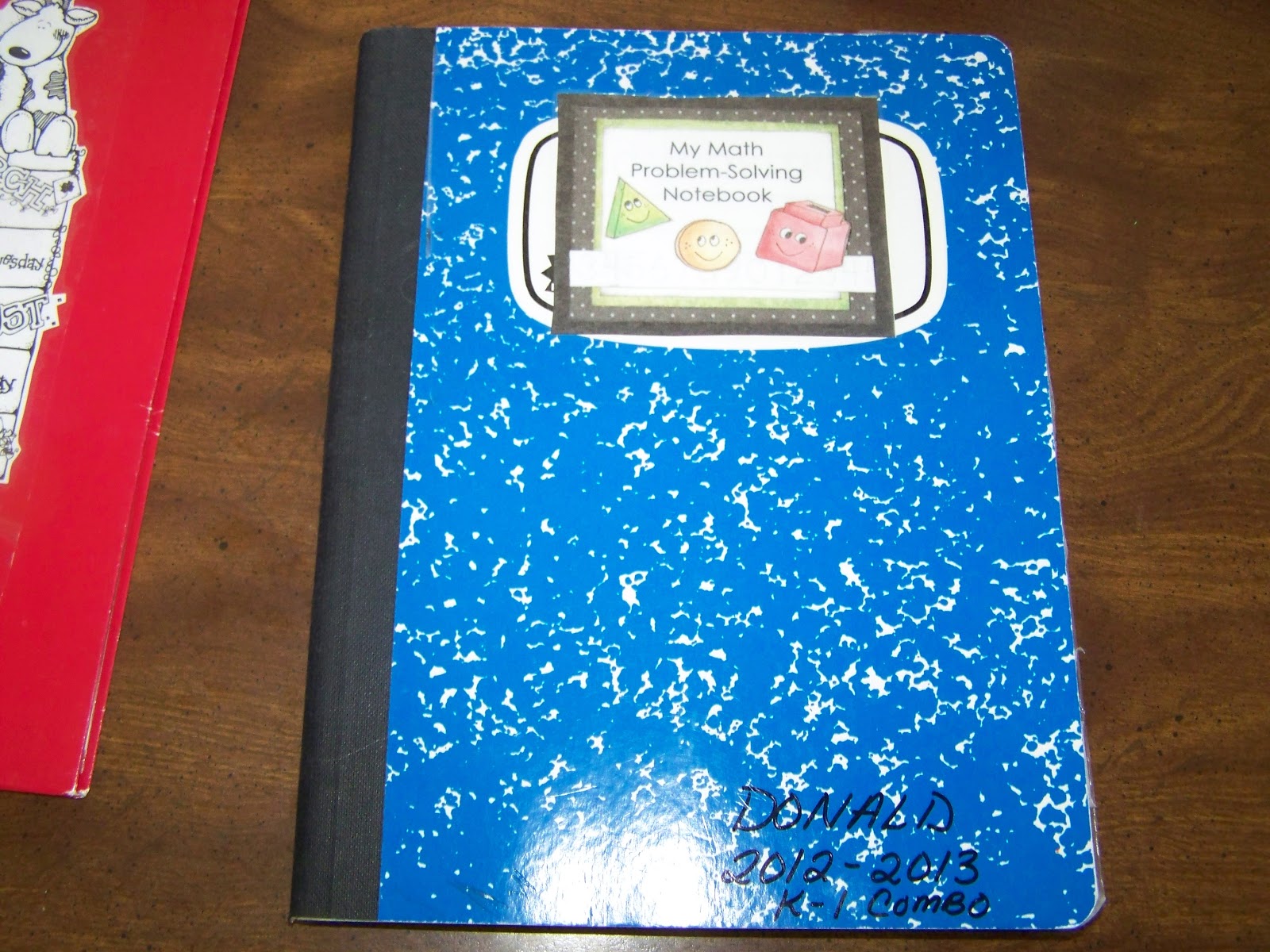
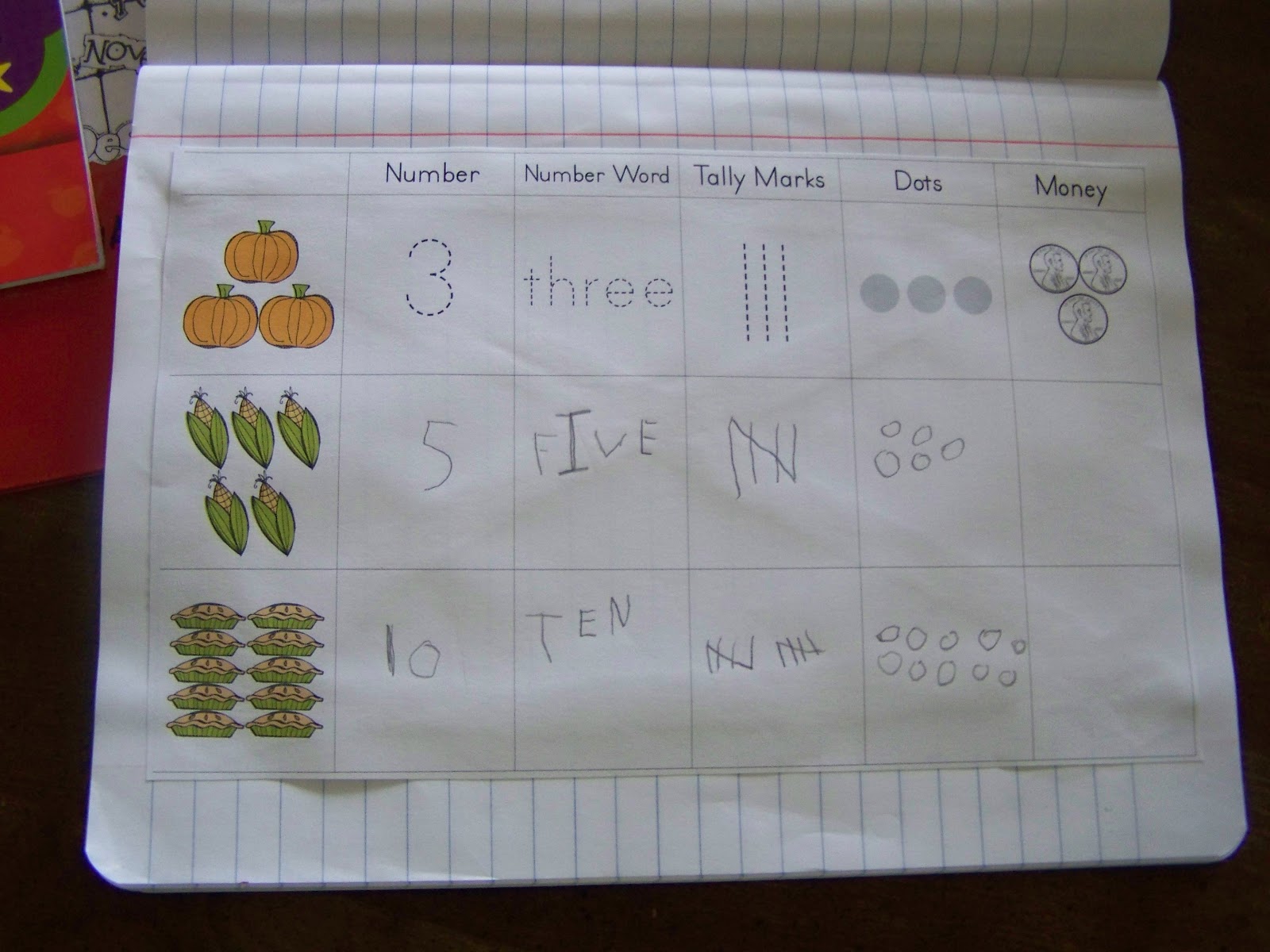
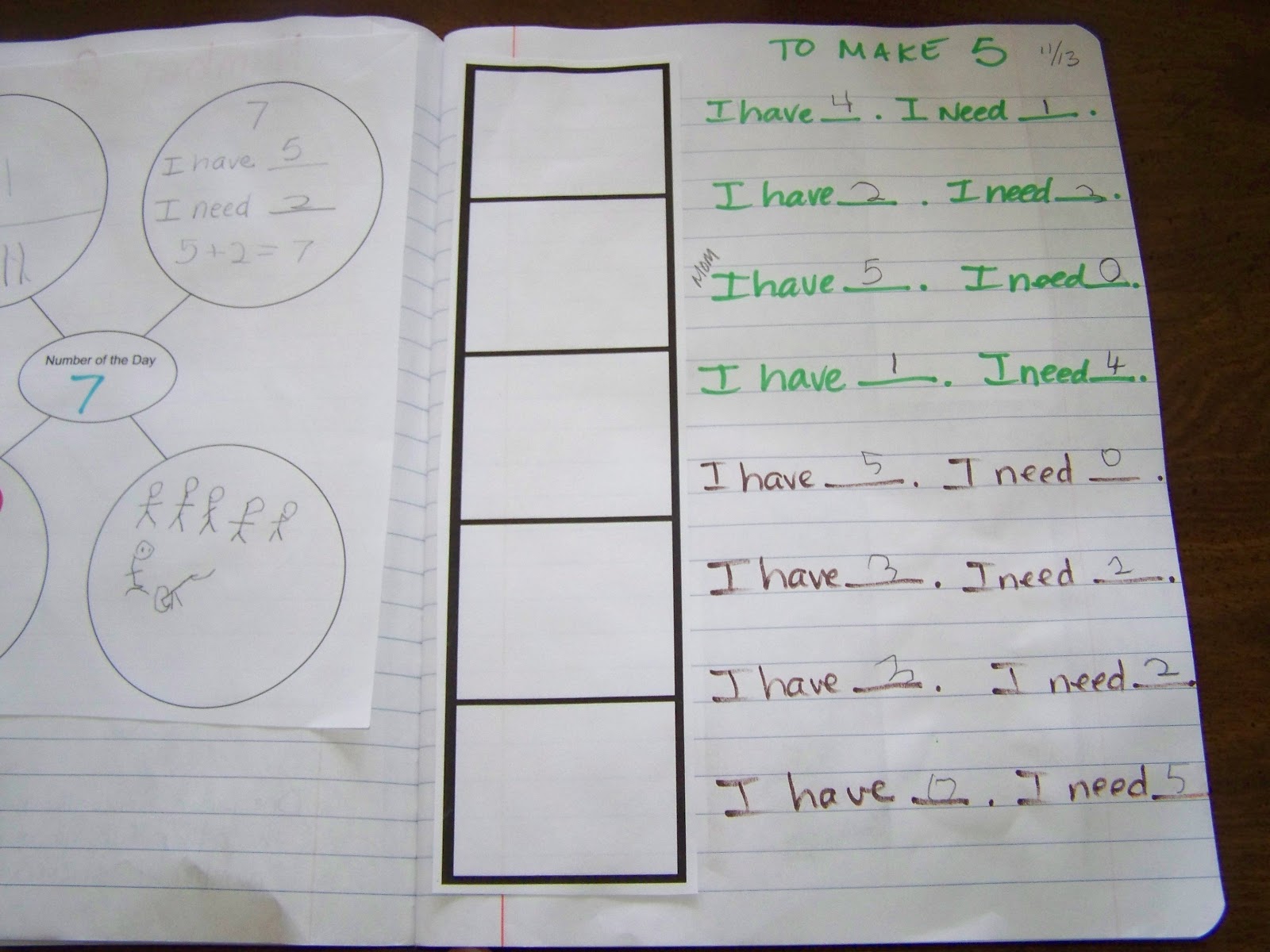
In the Kindergarten thru 2nd grade years, I prefer to keep academic work fairly relaxed and informal.   So instead using a math textbook, my 6y.o. son and I have created a math journal.    It’s just a simple, inexpensive composition book that we  use to record our math experiences.

This is working out especially well for us because my math goals for my son are fairly simple, but technically span more than one grade level.   I can cover these simple goals without purchasing multiple math textbooks.
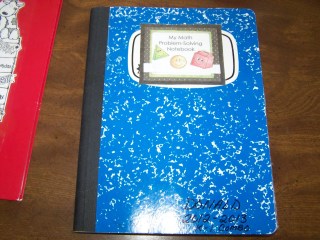
One nice thing about a math journal is that it is easy to make use of fun printables and thematic materials.  I keep an eye out for  seasonal printables or fun math activities that fit the theme or goal  we working on.  Printables are easily trimmed and pasted into our journal.    If we have been learning about rocks or seeds or planets, we can include that in some fashion in our math journal.   I feel like this has truly personalized our math learning and reinforced the idea that math is all around us.
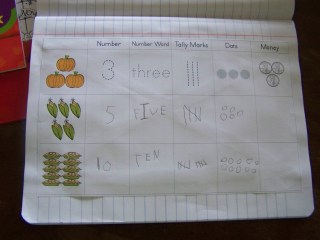
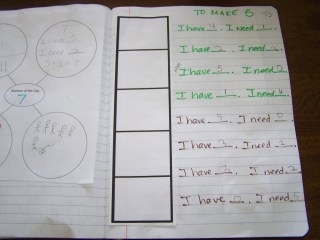
What do we put in the math journal? Anything and everything math-related.  Once my son found a tall weed in the yard and he wondered out loud how ‘long’ it was.  Wow, a perfect math journal activity!   An opportunity to practice non-standard measurement  with  linking cubes.  Or time to learn to use a ruler.  We could survey the family on their estimates before we take the measurements and graph their answers.   All of this can be recorded in our journal with pictures and drawings and notes.

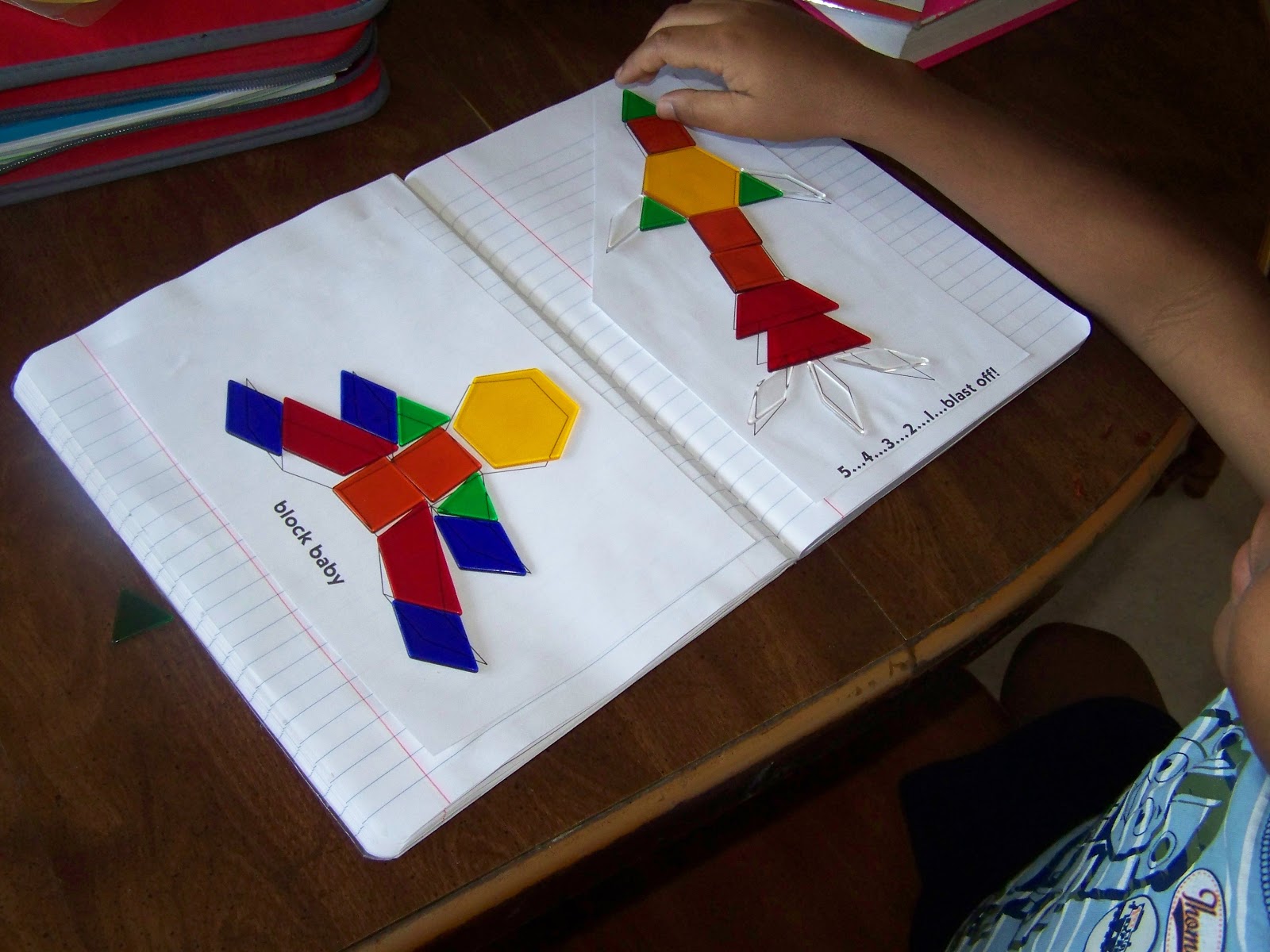
Magazine pictures that show math concepts, silly math games that we have made up,  grids/graphs to use with pattern blocks or other math manipulatives, and  dictations/narrations that reflect our math thoughts.  Any kind of math thinking goes in the journal.
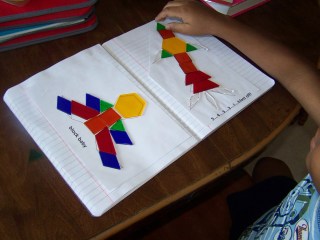
My original plan was to spend only one year using a math journal, but I think we will continue on for another year.  Even as we eventually transition into using a math textbook, a  journal can still be used as a supplement to add variety and keep interest high.

Nature Study with Tots and Preschoolers – Helpful Link

aesbinoculars42013
I ran across a great guest post on 1+1+1=1 about studying nature with tots and preschoolers. We know that nature study is an important element of True Education, but the concept can be overwhelming for non nature-minded parents. Check out these tips, they help make nature study with small children simple and accessible.  Click the link above or the image to go directly to the post.

First Lessons For Little Homeschoolers


The important lessons that come before teaching our little ones to read and write.

Setting the Table

 Obedience & Responsibility

Obedience and responsibility are the very first lessons we should teach our children. Diligent, daily work as parents at teaching our young children to obey and become useful, reliable members of the family is essential. These character-building lessons are spiritually important, because they help our children also learn to obey God and take the responsibilities of the Christian life seriously. When the time comes for our children to begin their formal academic education, the transition will be smoother and we as parents will find our new roles as reading and math teachers to be more enjoyable.

Bible

Mother and Son Reading Bible Together

As Christian parents, the importance of Bible instruction in the home needs no explanation. What we fail to remember is that this is where we as parents can begin to develop and strengthen our skills as teachers. As we plan our worship and Bible study times for our families, we are working on our lesson planning skills. The time spent on preparing Bible crafts or learning finger plays does more than simply make Bible learning time more special for our children. These creative efforts for Bible study plant seeds for future inspiration – which leads to creative science or history lessons.

Nature Study

The idea of nature study is intimidating to some parents, but the opportunities it affords are priceless. Because we know thatfile000767038449 nature is God’s second book, we can think of nature study as a supplement to our Bible lessons. As we introduce our little ones to the wonders of the world around them, we are establishing a distinctly Christian worldview in their hearts and minds. In addition, we are gently awakening observation skills, and strengthening thinking and reasoning skills at the same time. We can develop these important learning skills in young ones who are not yet ready for formal academic study.

For further reading on the subject:  Child Guidance   and  Education


Fun Idea ~ Handwriting Journal

Source: pie-for-breakfast.blogspot.com

Here’s a great idea I came across that has lots of potential.  Handwriting practice that has the added bonus of developing writing skills.   There is room for creativity with  this  handwriting journal  by just modifying  the theme- nature, current history unit, math concepts, etc.  Cool!  Click the image or the source link below to see the original idea.

Great Idea – Upcycled Story Magnets


Upcycled story magnets- what a great idea!  Old or torn picture books and old Sabbath school papers are excellent sources for pictures.  This is a great way to occupy little ones while you are working with older children.    Ask a child to arrange the pictures to suit them and then tell you a story- you’ve just worked on  some great literacy/pre-writing/early composition skills.  Fun!

Click on the image or the source link to get details on how to make story magnets.


Great Resource: The Bible Story Curriculum

Do you have the Uncle Arthur Bible Story books?  Here’s a great free resource to accompany the series.   This two-part curriculum is designed for classroom use, but is a great source of ideas for creative worships and Bible lessons.  It is designed to be an 8 year program. The links are below in bold.

DOWNLOAD NOTE: The documents are large, the first set is 293 pages!

This South Pacific Division elementary Bible curriculum was developed by and for Pacific Island Adventist schools. This teacher’s guide includes lesson or story plans to accompany Uncle Arthur’s Bible Story series, Volumes 1-6. Concise, clear, adaptable, utilizing multiple intelligences, this Adventist religious education resource is free of copyright, ready for use or translation. See also the companion  Pacific Island Bible Story Plans 7-10