As your student moves into his late-elementary and middle school years, you may find that your student is beginning to use textbooks for independent study. Give your student a strong start in independent study by teaching them the habit of “pre-reading”.
Teaching your student to pre-read his textbooks and other non-fiction text is a valuable reading comprehension and study skill. Many students make the mistake of just opening their textbook and starting to read the assigned chapter “cold” without any prior preparation for reading.
Taking time to learn how the reading assignment is structured, and what will be taught helps your student organize his thinking before beginning to read. Learning the habit of pre-reading or previewing a chapter before actual study will improve comprehension and retention of material.
Here is a helpful organizer chart to help you and your student practice the skill of pre-reading.
Click on the links below to print a copy of the organizer sheet and instructions.
This parent-teacher conference was to discuss a particular young man who sullenly dragged himself into class each day as if it were a terrible inconvenience. Every day he sat in his desk without opening a book or lifting a pencil. As was her custom, the school counselor started the meeting by asking the mother to share about the young man daily life at home. The counselor asked if the young man had any chores or work responsibilities at home. No, the mother responded, he was not expected to do any chores at home. Not even take out the trash? The mother responded that she took out the trash, and did not ask him to do anything in the way of work around the home. With that response, the school counselor stood up, declared that the conference was over and that all of the teachers could leave the meeting. Incredulous, the mother asked why. I’ll never forget the counselor’s response:
“If you have never taught him to work at home,
how do you expect that we will get him to work at school?”
“He doesn’t even take out the trash?”
Of all of the parent conferences I attended in my years as a classroom teacher, that particular conference will forever stand out in my mind. The look on the poor mother’s face as she realized her mistake! Thankfully, the counselor sat back down to discuss with the stricken mother ways to begin to solve the problem. As I left that conference, I was convicted anew of the eternal importance of teaching children the value of work. Now, as parent-teacher to my own children, teaching habits of industry is a vital part of my True Education goals.
“Parents cannot commit a greater sin than to neglect their God-given responsibilities in leaving their children with nothing to do; for these children will soon learn to love idleness and grow up to be shiftless, useless men and women. When they become old enough to earn their living and are taken into employment, they will work in a lazy, droning way and will think they will be paid just the same if they idle away their time, as if they did faithful work. There is every difference between this class of worker and the one who realizes that he must be a faithful steward. In whatever line of work they engage, the youth should be “diligent in business, fervent in spirit, serving the Lord”; for he that is unfaithful in that which is least is unfaithful also in much.”
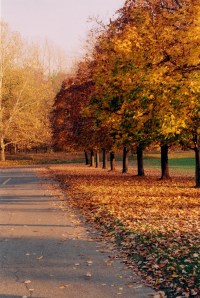
Taking a walk is one of the easiest ways to add nature study to your homeschool program. As we leave summer and head towards fall, now is a great time to head outdoors and observe the change in seasons. You don’t have to hike in a forest; a walk down a neighborhood sidewalk or stroll in a local park is an excellent start.
Make your next walk extra special by using these ideas for nature scavenger hunts. Employ your senses, start nature collections or take photographs using these fun printables as a guide. They are also great for making a Sabbath afternoon walk more enjoyable as well.
Nature Scavenger Hunt– three printable pages of ideas on what to collect, photograph and look for.
Nature Bingo – a fun sheet with specific things to look for. ( Be sure not to TOUCH the poison ivy if you find it!)
Another Nature Bingo – this one has two different cards with more general items to search for.
Winter Nature Hunt – Collect points for all the winter nature items you find.
Nature A to Z – this nature hunt will require some creative thinking!
Let’s Go Outside – this printable from the US Fish &Wildlife Service encourages using your senses during your scavenger hunt and gives fun nature photography ideas.
Whatever you write on the heart of a child,
no water can wash it away.
The marks in the sands are erased by the tide;
inscriptions will crumble with clay.
The words in a book will decay with the years
and even engraving in stone disappears.
But God’s Word inscribed on a little child’s heart
for time and eternity shall not depart.
August! This month is a back-to-the books transition time for many homeschool households, so let’s enjoy the dog days of summer and get our school plans organized!
In many parts of the US right now, it is very hot. Enjoying a museum is a cool treat. How about enjoying a trip to the Library of Congress from the comfort of your living room? Enjoy multimedia digital collections with the click of a mouse and no travel expenses!
Combine nature study with creative play by making your own natural dyes for playdough. Your children will enjoy finding out what colors the environment around them can provide. * Hat tip to LaDonna for this great link!
Does adding nature study to your homeschool curriculum feel daunting because you don’t feel knowledgeable or creative enough? Try visiting the Handbook of Nature Study blog. You’ll find free downloads, printables and enough nature challenges to last all school year. A great site to bookmark.
If you haven’t visited Donna Young’s site before, you are in for a treat. Her site features a wonderful array of free printable homeschool calendars, organizers, lesson plan templates and more.



 The Adventist Home Educator