Curriculum Reviews

With the abundance of curriculum available to us, it is often hard to know with reading the little snippets from catalogs or websites… if a particular curriculum will work for you and your child. Also, you may wonder what the materials present from a religious standpoint. Sometimes products sound good, but are a lot more work than you realized. Purchasing items that won’t work for you can be costly.

In the curriculum reviews, we share items that have worked well with following True Education principles. We share details, when we can, that will help you see if this curriculum is going to be a good fit for you and your child. Click the AHE logo below and you will be taken directly to the Curriculum Reviews page on the Adventist Home Educator website.

 

Nature Study from Your Window

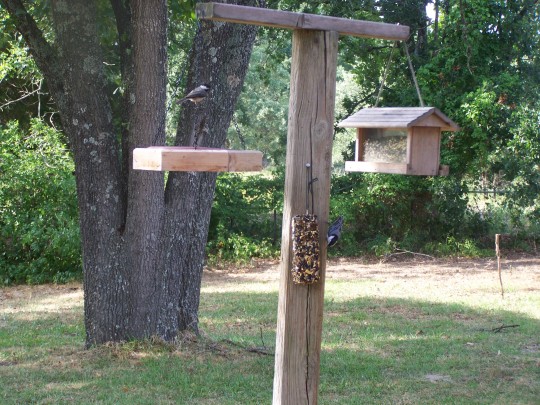
Nuthatch and Chickadee at our simple feeder setup, just 6 feet from our bedroom window.
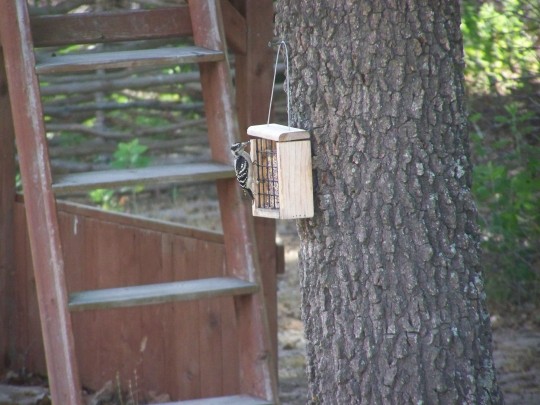
Woodpecker at the suet feeder
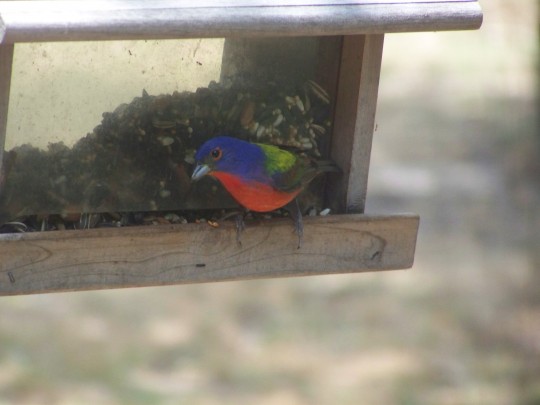
We get a few visits from a Painted Bunting every year.

Setting up a bird feeder is a fun way to add a nature study element to your homeschool curriculum.  It doesn’t have to be fancy or complicated .  Our main feeder station is made from a landscape timber set on end with a scrap board nailed on top.  Just 6 feet from one of our windows, we have an excellent vantage point from which to enjoy watching birds year-round.   Add a few different types of feeders and  types of feed, and watch an amazing array of birds visit your feeders!  Don’t know anything about birds?  Do what we did when we first started:   We taped photo sheets like these of common feeder birds to the window for easy and quick identification. These coloring sheets of common feeder birds were helpful as well.

The Great Backyard Bird Count is Coming Soon!

For our US and Canadian homeschool families that may not be familiar with this event, this is a fun way to incorporate nature study into your program and make a contribution to science at the same time!

The Great Backyard Bird Count is an annual four-day event that engages bird watchers of all ages in counting birds to create a real-time snapshot of where the birds are across the continent. Anyone can participate, from beginning bird watchers to experts. It takes as little as 15 minutes on one day, or you can count for as long as you like each day of the event.

Click on the image to head over to the GBBC website where you can learn more about the count, download activity pages and tally sheets and learn more about birds in preparation for the count.

We will be posting more ideas in the coming days on how to get started birdwatching and turn this event into a fun bird unit study and family nature study activity

Nature Study-themed Gift Ideas

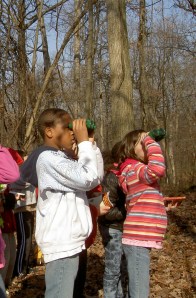
Binoculars – It is not necessary to spend hundreds of dollars for a binoculars. A good quality pair can be had in the $20-$40 range. With a little practice, children will enjoy using binoculars to observe nature.

Magnifying Glass– There is nothing more fun than a sturdy magnifying glass! Even very young children will enjoy examining collected items using a magnifying glass.

Field Guides – Field guides will help make your nature study experiences much more informative and satisfying. If at all possible, try to purchase local field guides, specific to your area, for birds, insects and wildlife.

Butterfly Net – A good quality butterfly net is fun for catching insects. Be sure to find one with a sturdy handle and frame: the net will get vigorous use in younger hands.

Collection Jars – These can be fun to make. A sturdy plastic container, like a peanut butter jar makes a good collection jar. A bit of netting and a canning jar ring will provide air for any live creatures you may find.

Sketch Pad and Writing/Drawing Pencils– A sketch pad with a sturdy backing or attached to a clipboard will make creating nature sketches and notes much easier.

Watercolor materials– Most children love to experiment with watercolors. A pad of watercolor paper, a few nice brushes and some paints or watercolor pencils will provide lots of fun creating nature paintings.

December Brings…

Chill December brings the sleet,

Blazing fire, and Christmas treat.*

Here we are at the start of December! 2010 is nearly over! Here are some fun links for the month of December and to take you into the new year.

The Centers for Disease Control and Prevention has a fun website focusing on the importance of eating fruits and vegetables. Here’s a fun challenge: use the CDC’s Fruit and Vegetable of the Month calendar to introduce a new fruit or vegetable to your family’s diet.

Looking for Physical Education ideas to add to your homeschool? Here’s the homeschooler page for the President’s Challenge fitness program.


Take a winter zoo trip. We tend to go to the zoo in warmer months, but winter can be a great time to visit your local zoo. Many zoos feature special winter programs that show how the animals handle winter weather.

This is snowflake making season in the US. How about some ideas for integrating math or language arts with an afternoon of paper cutting fun? Here’s an article with a few ideas to get you started. It’s also fun to make virtual snowflakes— no paper scraps to clean up!!

* The Garden Year, by Sara Coleridge

Making Maximum Use of the Library

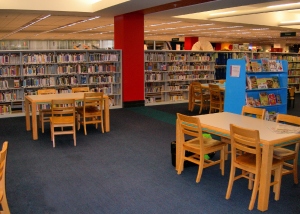
The local public library can be a homeschooling family’s best resource. Here are some ideas for taking maximum advantage of libraries in your area:

  1. Don’t just try the nearest library, make an effort to visit all of the libraries available to you in your area. Different amenities may be available at each location. Get cards from multiple libraries if necessary. Don’t forget to see if the colleges and universities in your area will allow you to check out materials. Colleges with teacher education programs often have excellent educational materials.
  2. Be sure to pick up fliers listing the resources and activities available at each library. What classes, story times, lecture series and tutoring programs are available?
  3. Take time to meet the children’s librarian as well as the reference librarian. These librarians are excellent resources for unit study ideas and research projects. They can alert you to resources that you may not know about. Share what you are planning to study for the year. Many times children’s and reference librarians are looking for ideas on new books to order, and your curriculum plans may help.
  4. Check to see if your library offers inter-library loans for books and videos.
  5. What online resources does your library offer? Online catalogs are very helpful for searching from the comfort of home. Can you renew your library books online? Does your library give out passwords for special online collections and sites?
  6. If your library does not give receipts for books checked out, make it a habit to have your children complete a library book log to keep track of how many books to return. Assign a child to mark the due date on a calendar as soon as you return home.
  7. Are there conference or meeting rooms available for you to reserve to work on a project? A conference room may be a more comfortable space to work in if you are also bringing younger children along.
  8. Does the library have display space available for larger homeschool projects? Perhaps your library may allow your child to display his science project for a week or two.
  9. Are there special library privileges for teachers that you can also use, such as longer check-out dates, or sets of themed materials. It never hurts to ask!
  10. Are there library-related service projects available for your child to participate in? Sorting books for a book sale, organizing display cases, etc.

November Brings…

Dull November brings the blast;

Then the leaves are whirling fast.*

November! The year 2010 will soon be in the history books. If you need printable calendars for 2011, Donna Young offers a nice variety for homeschool planning as well as for homemaker notebooks.

A Thanksgiving lapbook is a fun way to do a mini US history unit study. This Squidoo page is full of great links to printables and ideas. It even features two links to AHE Mom Rhonda’s photos of Thanksgiving lapbooks her children made few years ago! (Zippy, JD Boy)

For a Thanksgiving lapbook from another perspective, here’s a great link full of ideas for a Native American lapbook. Remember, lapbooks can be expanded or simplified based on your child’s abilities and your time and resources.

The Ellen G. White Estate features a set of Adventist heritage lessons for students K-12. Included are lesson plans, worksheets and mp3 stories of Adventist pioneers.

Do you need basic math fact printables? Math Fact Cafe features flashcards, drill worksheets, and build-your-own worksheet printables as well as materials for working with time and money.

*The Garden Year, by Sara Coleridge