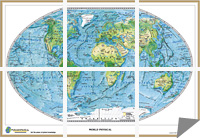
 How fun! A printable wall map courtesy of National Geographic. Click on the image or the link.
Category: Elementary(K-6)
Free Printables ~ Reformation Unit
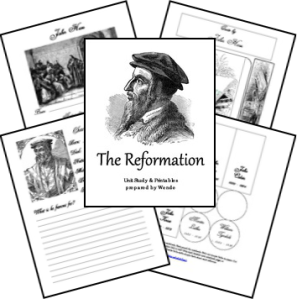
Planning to study about Huss, Wycliffe, Calvin and Luther? These Reformation unit study resources can help.
“This unit can be completed over a period of a few weeks or a few months. It is designed to be a Lap-n-Note™, including both lapbook components and notebooking pages. Individual Reformer lessons and lapbooks can stand alone if you want to use them separately. Or, you can opt to do the unit in its entirety.” – Homeschoolshare
Click on the image or link above to find this great resource.
15 Ways to Make the Most of the Public Library

The local public library can be a homeschooling family’s best resource. Are you making maximum use of the libraries near you? Here are some ideas for utilizing the libraries in your area:
1.Don’t just go to your nearest library, make an effort to visit all of the libraries available to you in your area. Different amenities may be available at each location. Get cards from multiple libraries if necessary.
2.Call and inquire if the colleges and universities in your area will allow you to check out materials. Colleges with teacher education programs often have excellent educational materials . Even if you cannot have borrowing privileges, you can still stop by and use the resources in-house.
3.Contact your local school district about borrowing privileges in the school libraries.
4.Be sure to pick up fliers listing the resources and activities available at each library. What classes, story times, lecture series and tutoring programs are available?
5.Take time to meet the children’s librarian as well as the reference librarian. These librarians are excellent resources for unit study ideas and research projects. They can alert you to resources that you may not know about. Share what you are planning to study for the year, and give the librarians a copy of the textbooks and literature selections you would like to use. Many times children’s and reference librarians are looking for ideas on new books to order, and your curriculum plans may help.
6.Take note of library book sales. Savvy homeschool moms will be there when the doors open to purchase books for mere pennies.
7.Check to see if your library offers inter-library loans for books and videos.
8.Do you have an e-book reader? Be sure to share your e-book requests with the librarians as well.
9.What online resources does your library offer? Online catalogs are very helpful for searching from the comfort of home. Can you renew your library books online? Does your library give out passwords for special online collections and sites? Many libraries have subscriptions to reference resources online. Be sure to ask for a list of those subscriptions.
10.If your library does not give receipts for books checked out, make it a habit to have your children complete a library book log to keep track of how many books to return. Assign a child to mark the due date on a calendar as soon as you return home.
11.Are there conference or meeting rooms available for you to reserve to work on a research project? A conference room may be a more comfortable space to work in if you are also bringing younger children along.
12.the library have display space available for larger homeschool projects? Perhaps your library may allow your child to display his science project for a week or two.
13.Are there special library privileges for teachers that you can also use, such as longer check-out dates, or sets of themed materials. It never hurts to ask!
14.Genealogical resource rooms are full of inspiration for great local and state history study. Be sure to go in and browse.
15.Are there library-related service projects available for your child to participate in? Creating a themed bulletin board, sorting books for a book sale, organizing display cases, etc.

Motivation Monday
 It is the duty and privilege of every child to follow in the footsteps of Jesus…. It will please the Lord Jesus to have the children ask Him for every spiritual grace, to bring all their perplexities and trials to the Saviour; for He knows how to help the children and youth, because He was a child Himself, and was once subject to all the trials, disappointments, and perplexities to which children and youth are subject. God’s promise is given as much to children and youth as to those of more mature age. Whenever God has given a promise, let the children and youth turn it into a petition, and beg the Lord to do those things for them in their experience, that He did for Jesus, His only begotten Son, when in human necessity He looked to God, asking for the things which He needed. Every blessing the Father has provided for those of more mature experience, has been provided for children and youth through Jesus Christ.
The Youth’s Instructor, August 23, 1894.
Math Journal Fun
In the Kindergarten thru 2nd grade years, I prefer to keep academic work fairly relaxed and informal. So instead using a math textbook, my 6y.o. son and I have created a math journal. It’s just a simple, inexpensive composition book that we use to record our math experiences.
This is working out especially well for us because my math goals for my son are fairly simple, but technically span more than one grade level. I can cover these simple goals without purchasing multiple math textbooks.
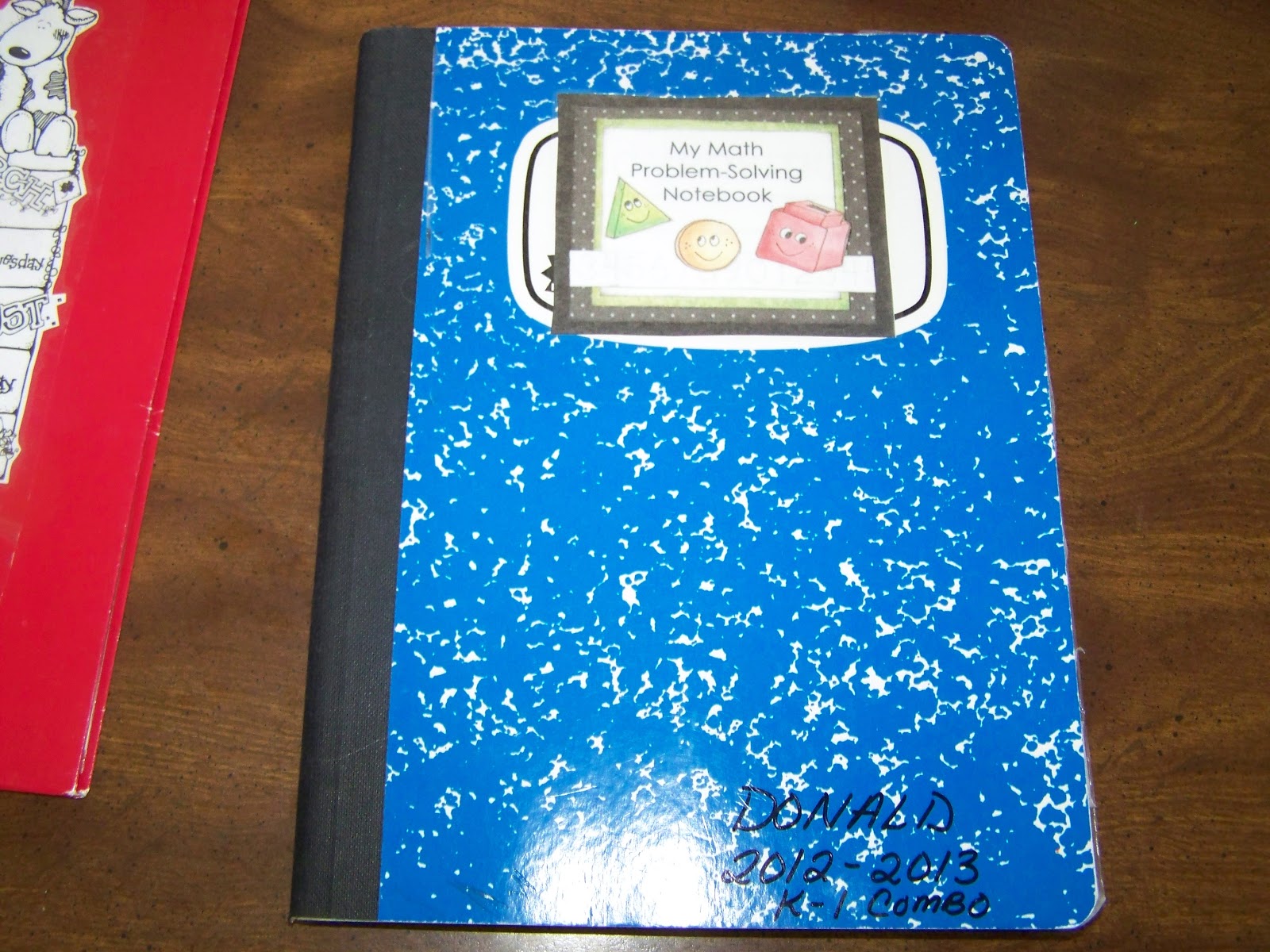
One nice thing about a math journal is that it is easy to make use of fun printables and thematic materials. I keep an eye out for seasonal printables or fun math activities that fit the theme or goal we working on. Printables are easily trimmed and pasted into our journal. If we have been learning about rocks or seeds or planets, we can include that in some fashion in our math journal. I feel like this has truly personalized our math learning and reinforced the idea that math is all around us.
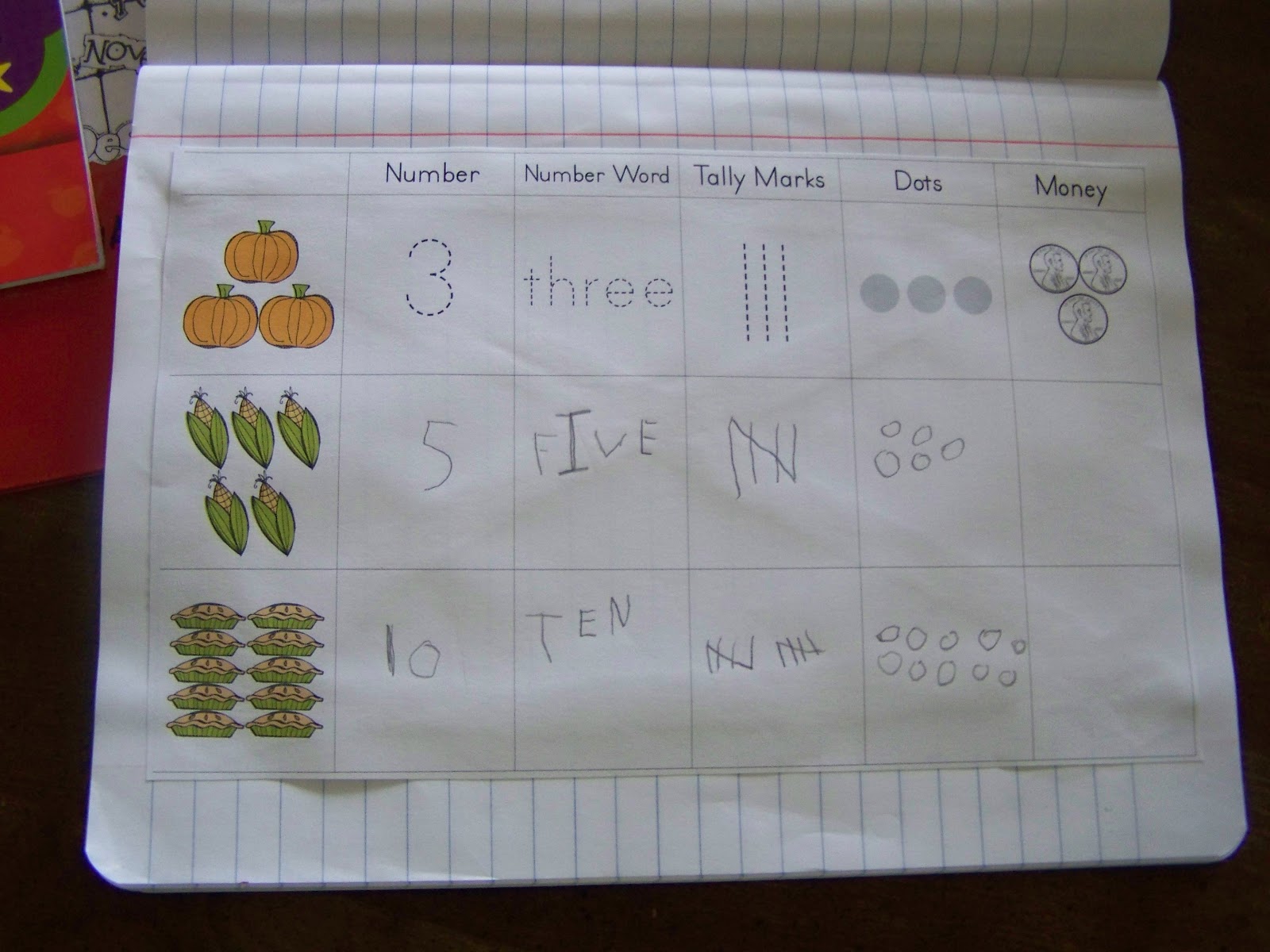
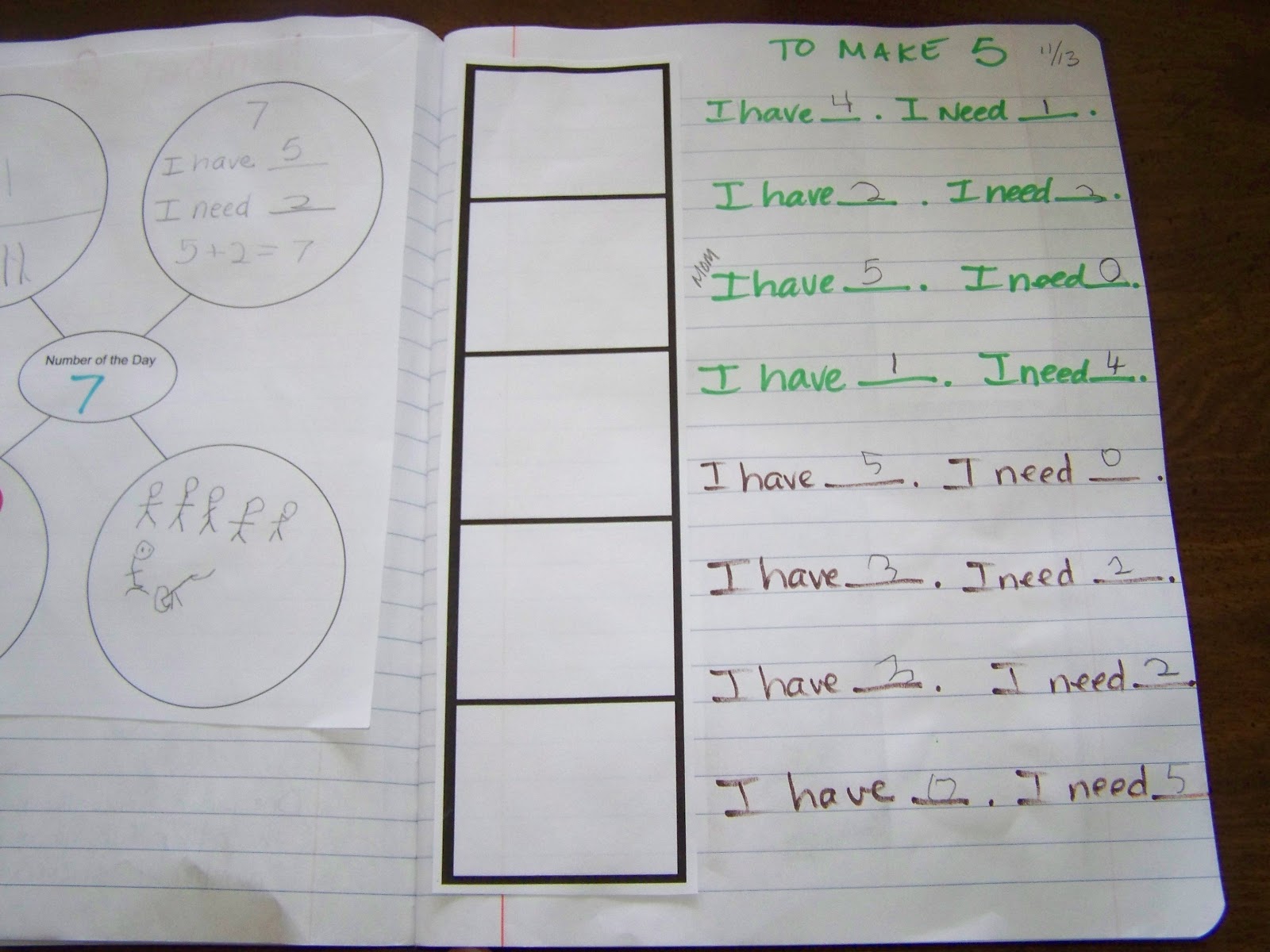
What do we put in the math journal? Anything and everything math-related. Once my son found a tall weed in the yard and he wondered out loud how ‘long’ it was. Wow, a perfect math journal activity! An opportunity to practice non-standard measurement with linking cubes. Or time to learn to use a ruler. We could survey the family on their estimates before we take the measurements and graph their answers. All of this can be recorded in our journal with pictures and drawings and notes.
Magazine pictures that show math concepts, silly math games that we have made up, grids/graphs to use with pattern blocks or other math manipulatives, and dictations/narrations that reflect our math thoughts. Any kind of math thinking goes in the journal.
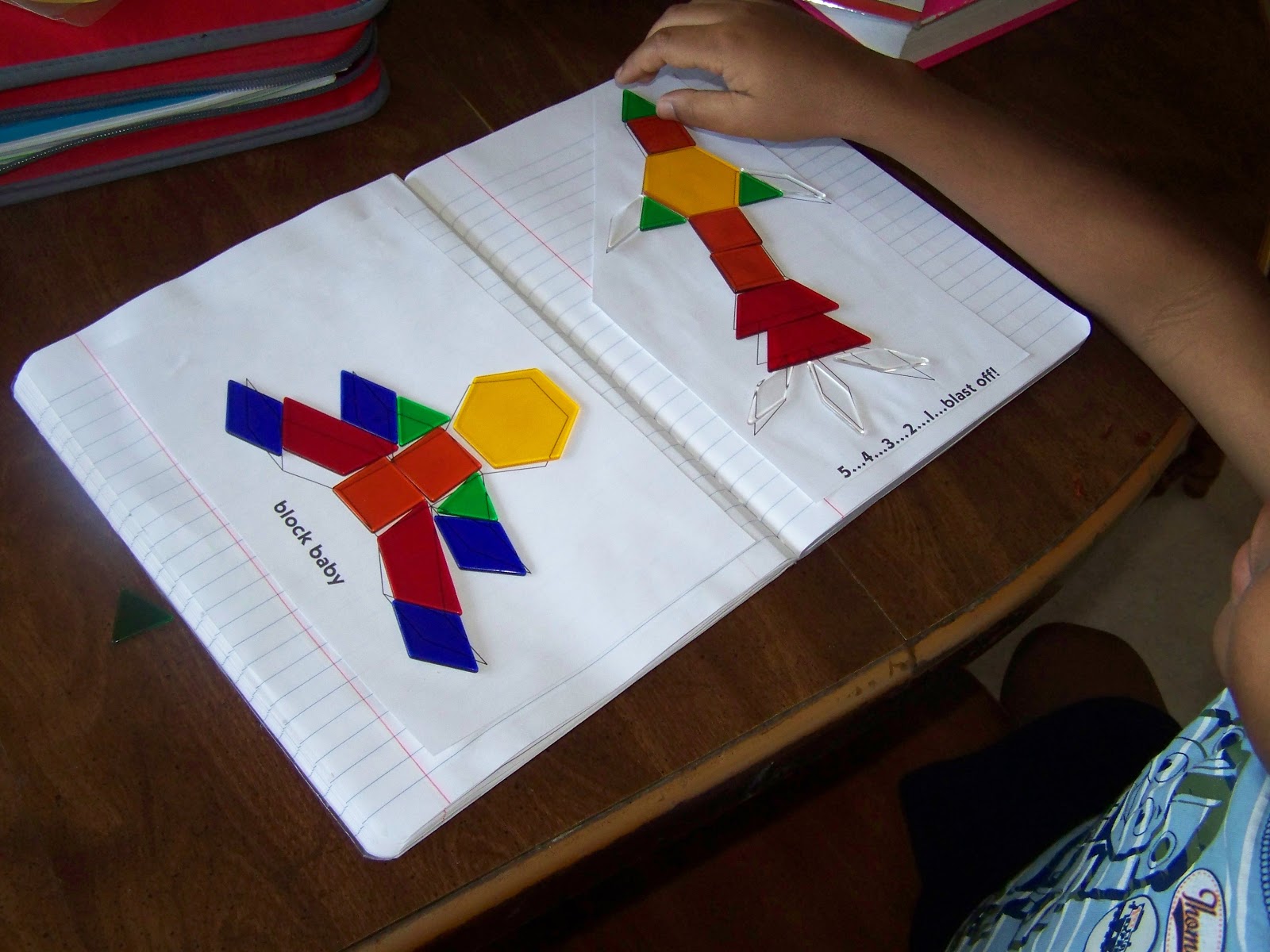 My original plan was to spend only one year using a math journal, but I think we will continue on for another year. Even as we eventually transition into using a math textbook, a journal can still be used as a supplement to add variety and keep interest high.
Nature Study with Tots and Preschoolers – Helpful Link

I ran across a great guest post on 1+1+1=1 about studying nature with tots and preschoolers. We know that nature study is an important element of True Education, but the concept can be overwhelming for non nature-minded parents. Check out these tips, they help make nature study with small children simple and accessible. Click the link above or the image to go directly to the post.
Fun Freebies ~ Animal Alphabet Coloring Pages

How fun! Animal alphabet coloring pages – great for learning letters or an animal-themed study. Lots of possibilities. Click on the image or HERE to find these great printables.
 The Adventist Home Educator